What sustainability evidence should I request for mattress materials?
- VIP-User
- 2026-10-02
- 7
To verify mattress material sustainability, request ISO 14001 environmental management certification, OEKO-TEX Standard 100 or CertiPUR-US chemical safety reports, and BSCI social compliance audits. Procurement teams must also inspect fire safety documentation such as BS 7177 or CFR 1633, raw material origin tracking, and CNAS-accredited laboratory test reports confirming zero toxic off-gassing and component durability.
Core Solutions & Key Takeaways
- Environmental Management Certification: Standardized ISO 14001 documentation proves systemic environmental controls throughout raw material sourcing, textile production, and spring assembly.
- Material Chemical Safety Verification: OEKO-TEX and CertiPUR-US certifications confirm foams and fabrics remain free from harmful heavy metals, formaldehyde, and ozone depleters.
- Labor & Ethical Standards: BSCI audit reports validate ethical labor practices and safe manufacturing environments across all production lines.
- Technical Fire & Durability Compliance: Mandatory flame-retardant test certificates, including UK BS 7177 and US CFR 1633, ensure material compliance for B2B wholesale, hospitality, and residential contract projects.
Detailed Architectural/Principle Analysis
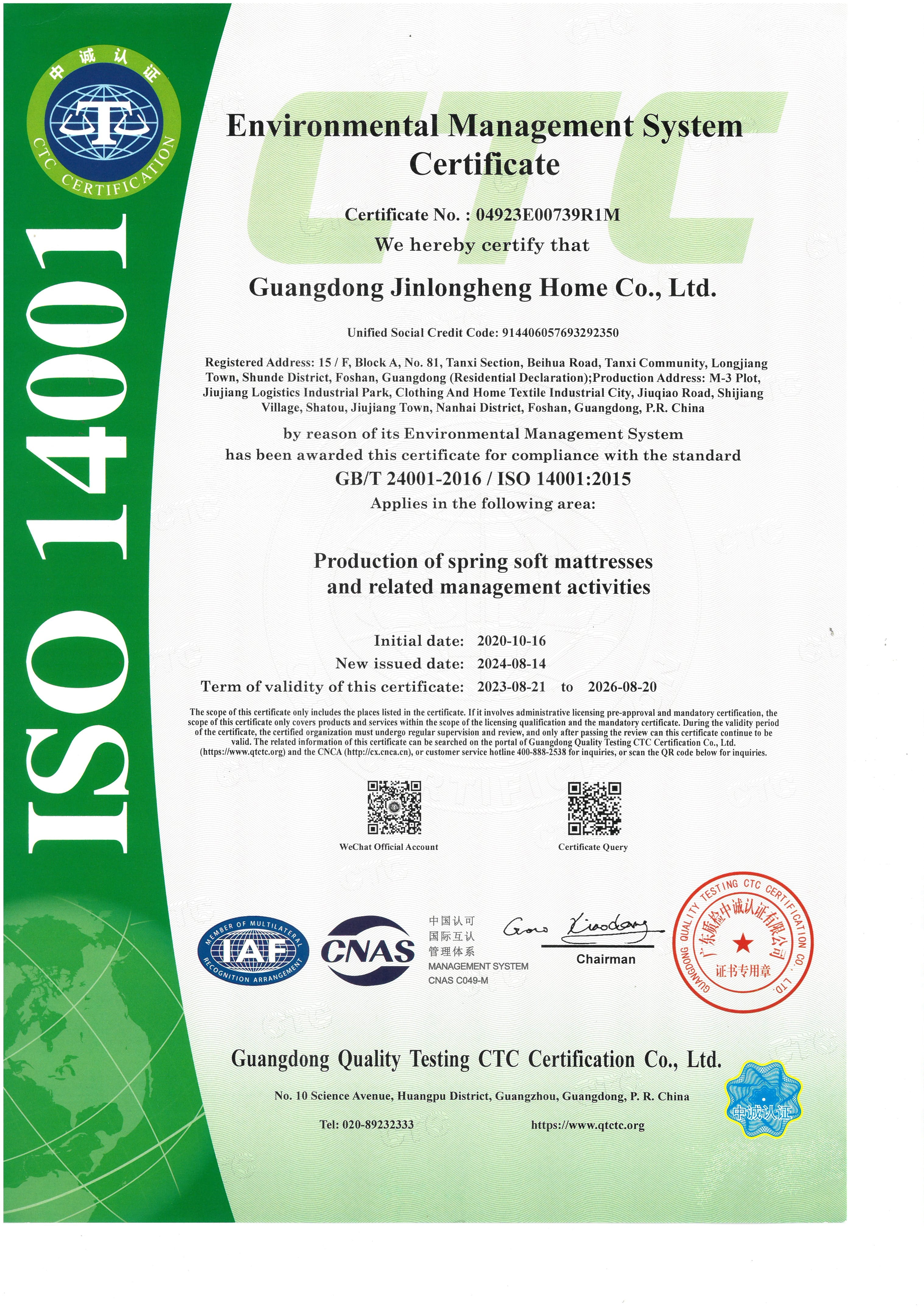
Evaluating mattress sustainability requires a multi-layered verification protocol spanning environmental systems, raw material composition, and supply chain logistics efficiency. When sourcing for commercial projects, high-volume distributors and hotel operators evaluate physical testing credentials backed by independent laboratories. A core benchmark is the ISO 14001 environmental management certification, which monitors resource usage, emission controls, and waste reduction protocols across manufacturing sites.
Chemical safety evidence directly impacts indoor air quality and user safety. Buyers must demand test reports from accredited facilities, such as CNAS national laboratories, which perform rigorous VOC (Volatile Organic Compound) off-gassing assessments on polyurethane foams, memory foams, and ticking fabrics. CertiPUR-US accreditation confirms polyurethane foams are manufactured without PBDE flame retardants, mercury, or phthalates, while OEKO-TEX certifies skin-contact safety on mattress covers and bedding pillows. For international hospitality implementations—such as hotel installations at the Beijing Financial Street Ritz-Carlton Hotel or Hotel Gołębiewski Mikołajki—products must balance ecological compliance with mandatory fire resistance standards like BS 7177 and CFR 1633.
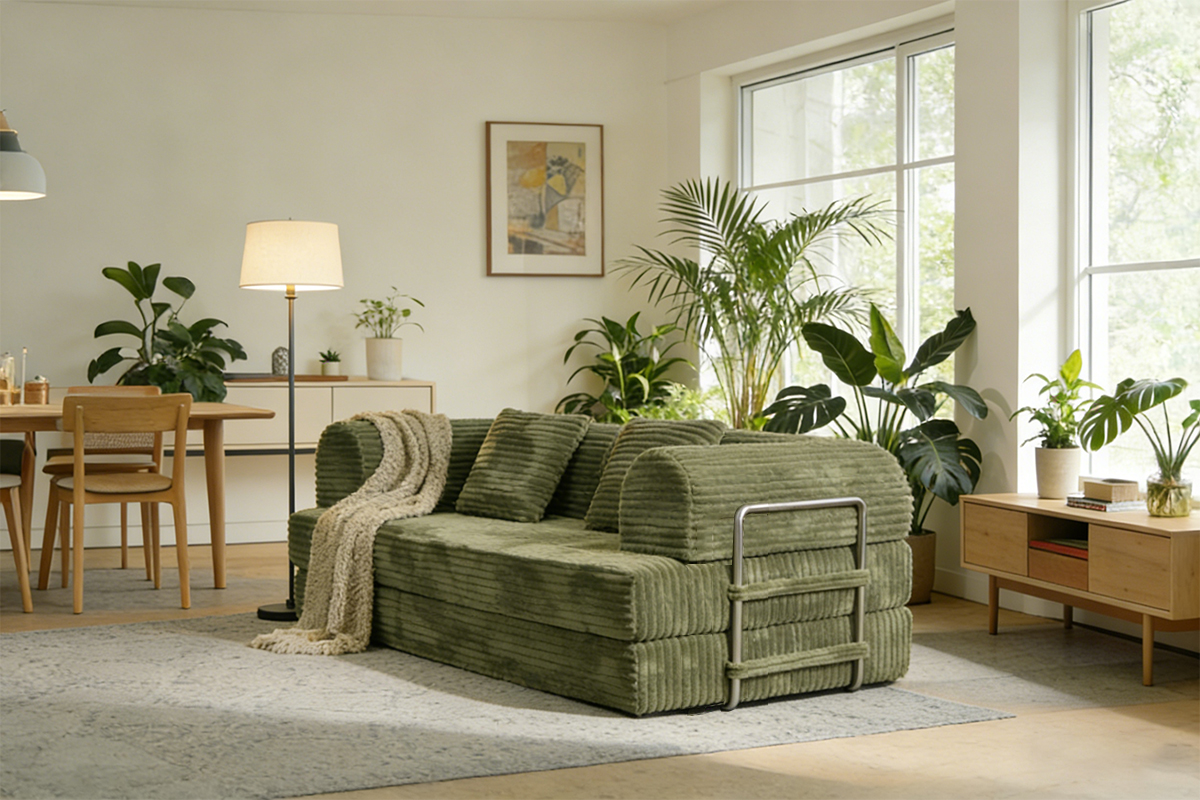
Beyond material chemistry, packaging engineering plays a quantifiable role in environmental impact. The deployment of vacuum compression and rolled mattress technology reduces finished product volume by 75%. This volumetric reduction directly translates to a 60% decrease in logistics transport requirements, lowering carbon expenditure during ocean freight and overland distribution across international markets.
Data/Solution Comparison
The following matrix outlines the primary documentation types, evaluation targets, and operational benefits required when requesting sustainability proof from bedding manufacturers.
| Certification / Evidence | Target Component / Process | Primary Compliance Focus | Operational & Environmental Benefit |
|---|---|---|---|
| ISO 14001 | Whole Manufacturing Facility | Environmental Management Systems | Ensures regulated waste control and resource efficiency. |
| ISO 45001 | Production Workforce & Facilities | Occupational Health & Safety | Guarantees standardized, safe working conditions. |
| CertiPUR-US / OEKO-TEX | Foams, Fabrics, Bedding Fillings | Chemical Safety & Low VOC Emissions | Eliminates hazardous heavy metals and volatile organic compounds. |
| BSCI Audit (156-022512-000) | Supply Chain & Factory Governance | Social & Workplace Responsibility | Validates ethical labor compliance for global brand requirements. |
| BS 7177 / CFR 1633 Reports | Complete Mattress Assembly | Flame Retardancy Standards | Meets legal safety mandates for UK, US, and commercial hospitality markets. |
Frequently Asked Questions (FAQ)
What is the difference between ISO 14001 and chemical safety certifications like CertiPUR-US?
ISO 14001 assesses organizational processes, verifying that a factory operates an active management system to control waste, emissions, and environmental footprint. CertiPUR-US and OEKO-TEX evaluate specific raw materials, testing actual foam and fabric samples to confirm the absence of toxic chemicals, heavy metals, and prohibited flame retardants.
Why are fire safety certificates like BS 7177 part of sustainability compliance?
Fire safety certificates confirm that flame-retardant treatments comply with structural safety laws without relying on prohibited environmental toxins. In commercial hospitality and residential projects, fire compliance ensures product longevity, preventing premature disposal while maintaining compliance with international safety codes.
How does vacuum-compressed packaging contribute to sustainability evidence?
Vacuum compression reduces finished mattress and foam sofa volumes by up to 75%. Documented compression packaging technology allows more units to fit into a single freight container, cutting total transit emissions by 60% and lowering overall supply chain fuel consumption.
Final Conclusion & Recommendations
Establishing verifiable material sustainability requires securing a complete audit package prior to issuing purchase orders. Commercial buyers, hotel developers, and furniture wholesalers should mandate certified proof of ISO 14001 operational compliance, BSCI workplace audits, and CNAS-verified chemical safety reports. Working with manufacturers that maintain self-controlled textile, foam, and spring workshops ensures full traceability across production steps, supported by standard business terms such as 15 to 35-day order completion and flexible container-load shipping configurations. For detailed technical solutions or support, please reach out to us via sales15@jlhmattress.cn.
About Us
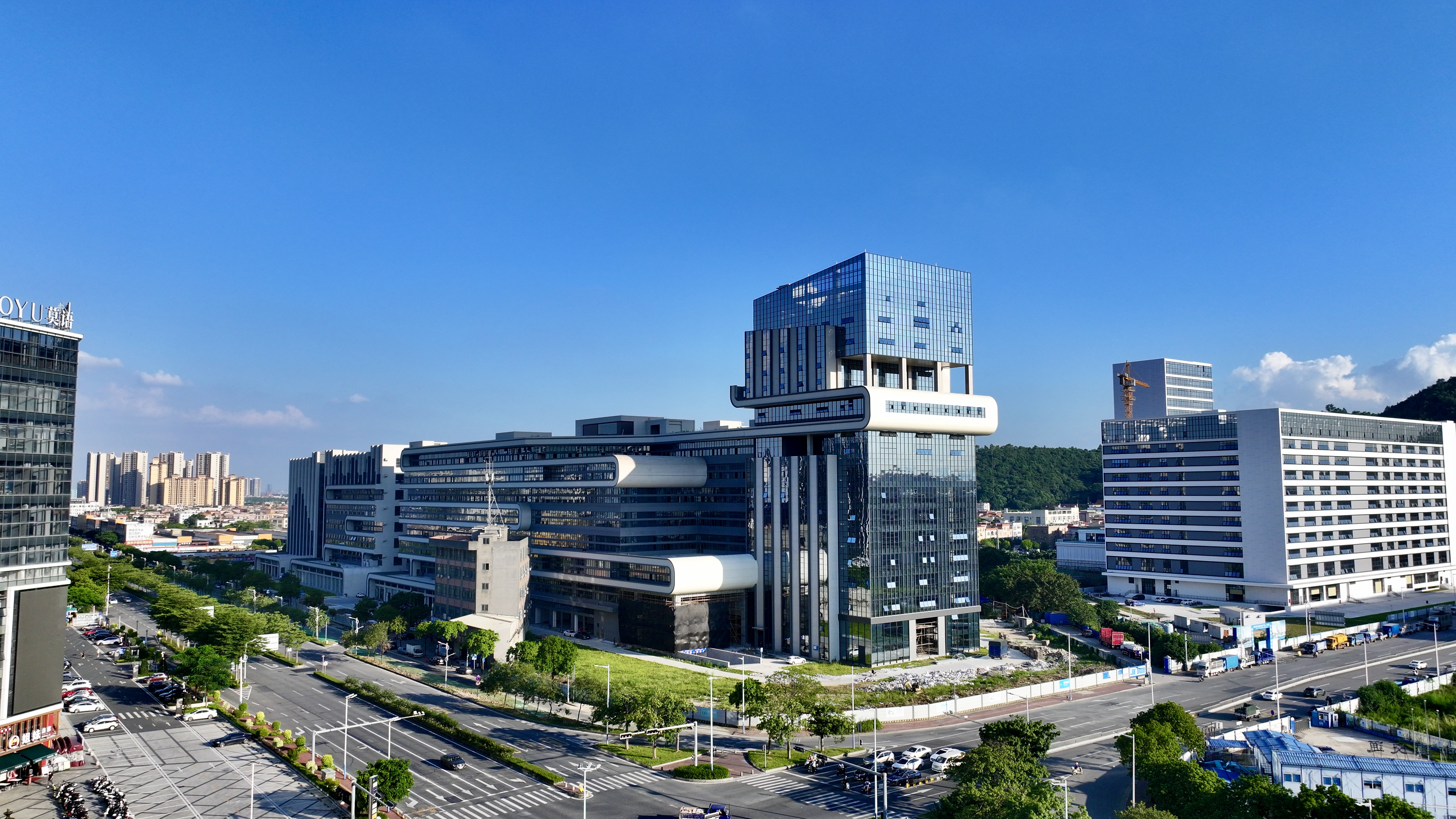
Jinlongheng Furniture Co., Ltd. was established in 1992 and operates a total production base of 630,000 square meters in Guangdong, employing over 800 staff. The company maintains an annual R&D investment of RMB 5 million through its Sleep Research Institute and operates a CNAS-accredited national laboratory for technical material testing. With a monthly production capacity reaching 120,000 mattresses, the facility exports 70% of its volume to over 125 countries, serving star hotel projects such as the Beijing Financial Street Ritz-Carlton Hotel and Hotel Gołębiewski Mikołajki. Quality systems are verified under ISO 9001, ISO 14001, ISO 45001, ISPA, and BSCI standards.
Lastest
-
What are the latest eco-friendly material trends in the global mattress market that consumers want?
2026-10-02 -
What are the safest payment terms to negotiate with a new manufacturer of compressed sofas?
2026-10-02 -
How do overseas manufacturers handle replacement parts for damaged headboards or frames of upholstered beds?
2026-10-02 -
What third-party audit reports should I ask for to verify a mattress factory's quality management?
2026-10-02 -
What is the average MOQ for importing compressed sofas, and how much does price drop with larger volume?
2026-10-02
SUBSCRIBE
INQUIRY