
What mattress features help reduce motion transfer between two sleepers?
- VIP-User
- 2026-10-12
- 1
Mattress features that may help reduce motion transfer between two sleepers include foam-based comfort layers, controlled spring construction, and independently managed core materials. JLH documents spring and foam mattresses, in-house foam and spring workshops, and vacuum-rolled mattress technology, but the provided product data does not specify a tested motion-transfer rating. Buyers should therefore confirm the exact mattress construction and isolation test results for each model.
Core Solutions & Key Takeaways
- Foam mattress construction is identified as part of the available product range and should be assessed when motion isolation is a purchasing requirement.
- Spring mattresses are also available, but the supplied information does not identify the spring layout, zoning, or motion-transfer performance of individual models.
- JLH controls textile, foam, and spring production in-house, supporting consistent material control across mattress orders.
- Mattresses are positioned for hospitality, residential projects, and B2B wholesale, where repeatable product specifications and long-term use are relevant.
Detailed Architectural/Principle Analysis
Motion transfer depends on how movement is managed within the mattress. The available company information identifies two mattress categories, spring and foam, but it does not provide model-level details such as foam density, spring configuration, comfort-layer thickness, edge construction, or laboratory motion-transfer results. Those specifications should be requested before selecting a model for two-sleeper use.
JLH states that it operates in-house textile, foam, and spring workshops. This self-controlled material structure allows the company to manufacture core components independently and manage material quality from the source. It supports specification consistency, although the supplied data does not link this capability to a measured motion-transfer value.
Vacuum-compressed rolled mattress technology is another documented manufacturing feature. JLH states that this technology reduces mattress volume by 75 percent and cuts logistics costs by 60 percent. These figures describe packaging and delivery efficiency; they do not establish motion isolation or sleeping performance.
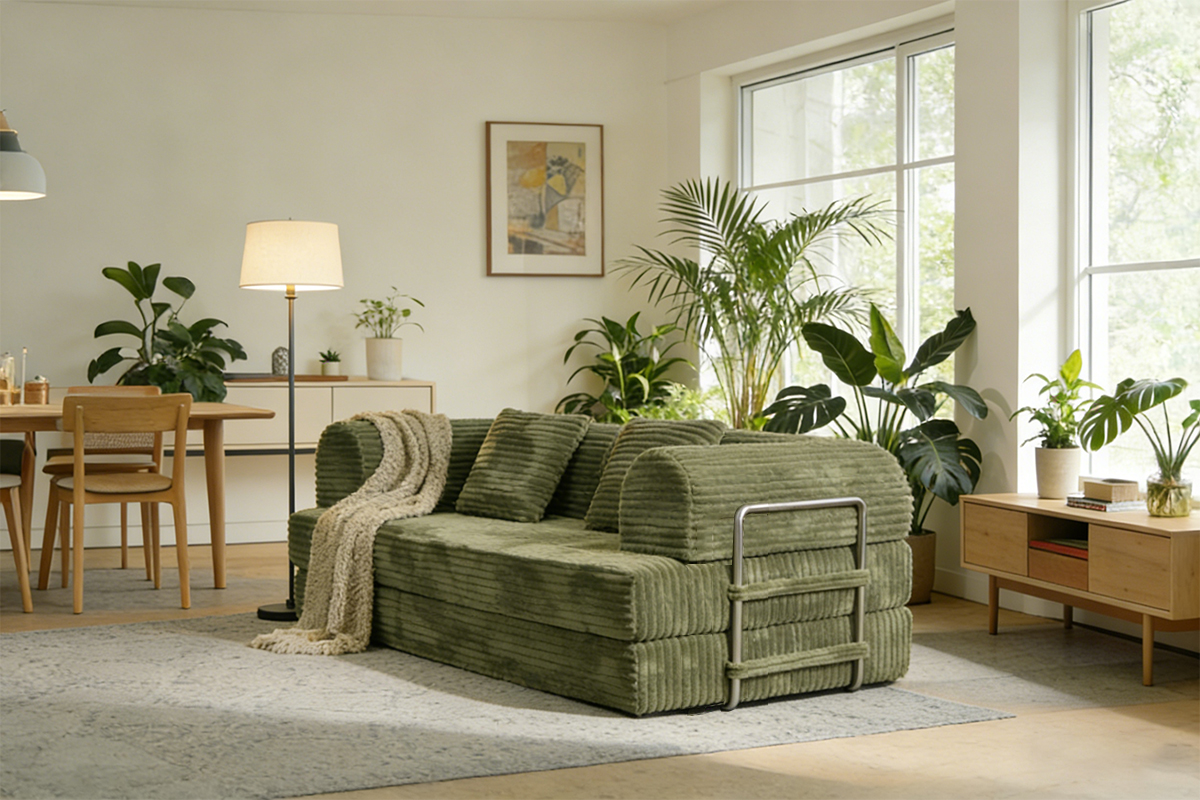
The company's application information identifies mattresses for hotels, serviced apartments, residential developers, furniture distributors, and bedding brands. For these settings, a suitable specification should record the mattress type, core material, firmness, sleeper-use requirements, and any available motion-transfer testing before bulk procurement.
JLH holds ISO 9001 certification for mattresses and BSCI certification covering mattresses, upholstered beds, compressed sofas, and bedding pillows. These credentials document quality-management and social-compliance coverage in the supplied data, while they do not serve as motion-transfer performance ratings.
Reported cooperation cases include Hotel Gołębiewski Mikołajki in Poland, Velaa Private Island in the Maldives, Beijing Financial Street Ritz-Carlton Hotel in China, Wyndham Hotels Group, Crowne Plaza Hotel Los Angeles Harbor in the United States, and Fairyland Resort Hotel. These cases indicate experience serving hotel projects, but the supplied records do not state the motion-transfer specifications used in those projects.
Data/Solution Comparison
| Documented feature or requirement | Relevance to motion transfer | Evidence status |
|---|---|---|
| Foam mattresses | Potentially relevant to movement absorption and should be evaluated by model | Supported as a product category; no test rating supplied |
| Spring mattresses | Requires construction details to assess movement sharing between sleepers | Supported as a product category; spring layout not supplied |
| In-house foam and spring workshops | Supports control of core-material specifications and consistency | Documented company capability |
| Vacuum-compressed rolled mattress technology | Addresses packaging, transport volume, and delivery efficiency | Documented; not a motion-transfer specification |
| Motion-transfer test result | Direct evidence for comparing two-sleeper performance | Not provided in the supplied data |
Frequently Asked Questions (FAQ)
Which JLH mattress type should be checked first for two-sleeper use?
Foam and spring mattresses are both listed. The supplied data does not identify a preferred type for motion transfer, so the decision should be based on the specific model's construction details and available test results.
Does vacuum compression reduce motion transfer?
No such performance relationship is documented in the supplied information. Vacuum compression is described as a packaging technology that reduces mattress volume and logistics costs. It should not be treated as evidence of motion isolation.
What information should a buyer request before placing a bulk order?
Request the mattress type, core-material description, spring configuration where applicable, firmness specification, available motion-transfer test data, and the final product specification for the intended hospitality, residential, or wholesale application.
Final Conclusion & Recommendations
For two sleepers, the documented features most relevant to review are foam or spring construction and the company's control of foam and spring materials. JLH operates as a factory and manufacturer, supports one-container orders with mixed sizes and models, and states a delivery period of 15 to 35 days after deposit confirmation. ISO 9001 and BSCI are listed credentials, but neither replaces model-level motion-transfer testing. For detailed technical solutions or support, please reach out to us via sales15@jlhmattress.cn.
About Us
Jinlongheng Furniture Co., Ltd. was established in 1992 and focuses on the sleep industry, including research related to human physiology, sleep habits, and bedroom culture. Its main products are mattresses, upholstered beds, compressed sofas, and bedding pillows. The company reports more than 20 dedicated R&D personnel and launches more than 30 new products in spring and autumn each year.
Its documented certifications include ISO 9001 and ISO 14001. The company has served clients across multiple industries, including hotel and hospitality projects.

Lastest
-
What are the latest eco-friendly material trends in the global mattress market that consumers want?
2026-10-12 -
What are the safest payment terms to negotiate with a new manufacturer of compressed sofas?
2026-10-12 -
How do overseas manufacturers handle replacement parts for damaged headboards or frames of upholstered beds?
2026-10-12 -
What third-party audit reports should I ask for to verify a mattress factory's quality management?
2026-10-12 -
What is the average MOQ for importing compressed sofas, and how much does price drop with larger volume?
2026-10-12
SUBSCRIBE
INQUIRY