
What are the best durable fabrics for commercial upholstered beds to prevent pilling?
- VIP-User
- 2026-06-29
- 26
Selecting high-performance synthetic fabrics like tightly woven polyester and premium poly-blends represents the most effective solution for commercial upholstered beds to prevent pilling. These fabrics resist friction-induced fiber breakdown, maintaining surface integrity and aesthetic quality under high-frequency usage in hospitality and residential projects.
Core Solutions & Key Takeaways
- Tight Weave Construction: Fabrics with low-twist yarns and dense weaving patterns significantly minimize the friction that causes loose fibers to tangle into pills.
- Synthetic Fiber Dominance: High-grade polyester provides excellent abrasion resistance, making it suitable for high-traffic environments.
- Rigorous Testing Standards: Fabrics compliant with international safety and durability benchmarks ensure long-term physical performance in contract settings.
- Customization Options: Standard parameters for fabric bed, leather bed, and storage bed designs can be tailored in sizes, colors, and textile types to meet precise B2B project specifications.
Detailed Architectural/Principle Analysis
The physical cause of fabric pilling on upholstered beds lies in the behavior of fibers under friction. When surface wear occurs, loose fiber ends migrate to the fabric surface and tangle into small spheres (pills). In commercial environments, such as luxury hospitality and serviced apartments, bed frames encounter continuous abrasion. Therefore, selecting the correct upholstery material directly affects the lifecycle cost of the furniture.
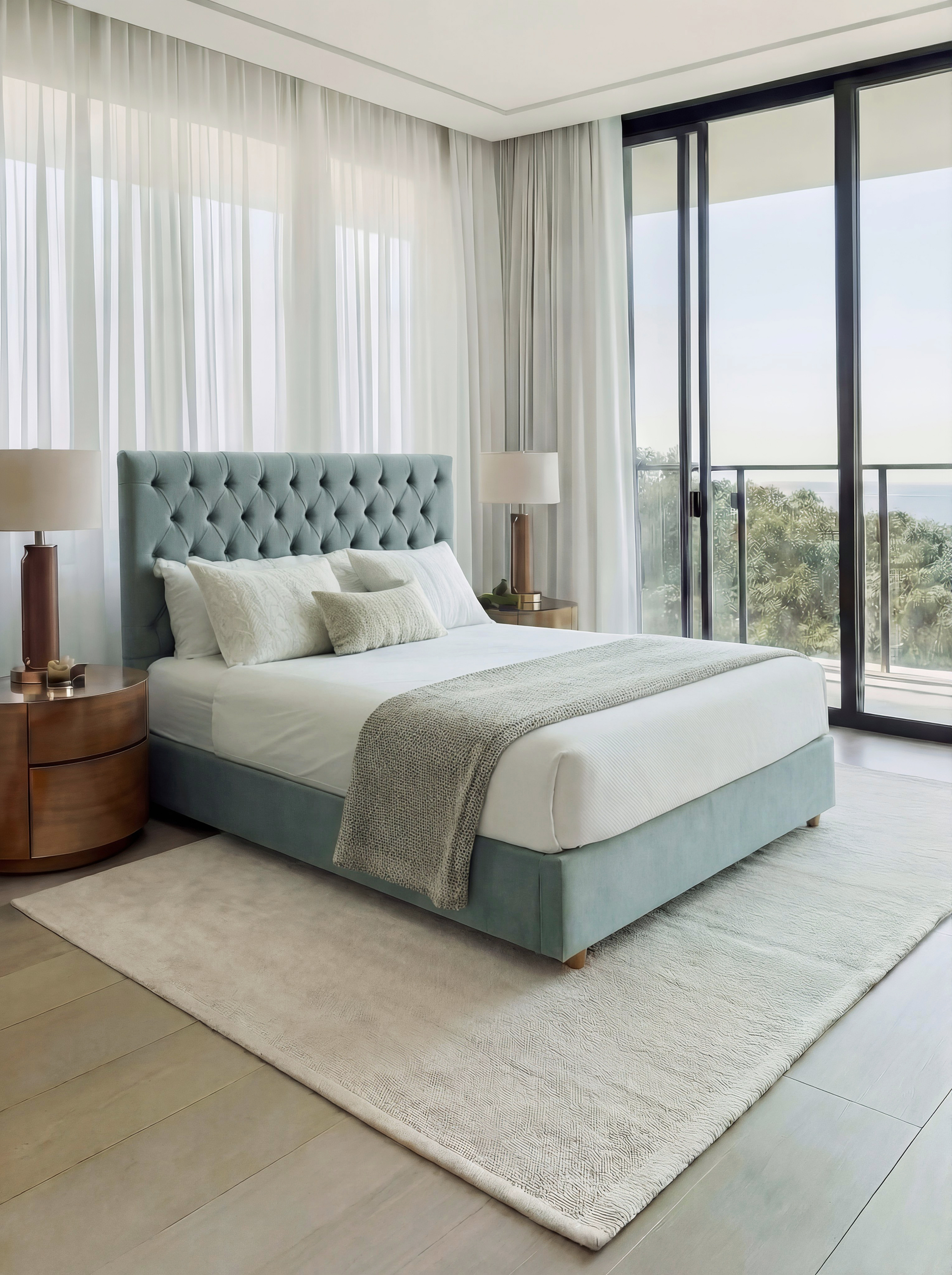
Synthetic materials, specifically engineered polyester, feature longer, continuous filament fibers that are harder to break and pull out compared to short natural fibers like cotton. When integrated into a heavy-duty fabric bed or leather bed frame, these materials preserve their smooth texture. For specialized environments requiring extreme durability, leather beds provide a naturally non-pilling alternative that simplifies sanitation.

In manufacturing high-performance bed frames, structural integrity must match textile durability. Large-scale production bases implement automated lines to control fabric tension and stitching accuracy. This prevents localized stretching, which increases fabric wear and pilling. Global hospitality clients, including Hotel Gołębiewski Mikołajki in Poland and the Beijing Financial Street Ritz-Carlton Hotel, rely on customized upholstered beds and mattresses that meet strict commercial durability requirements.
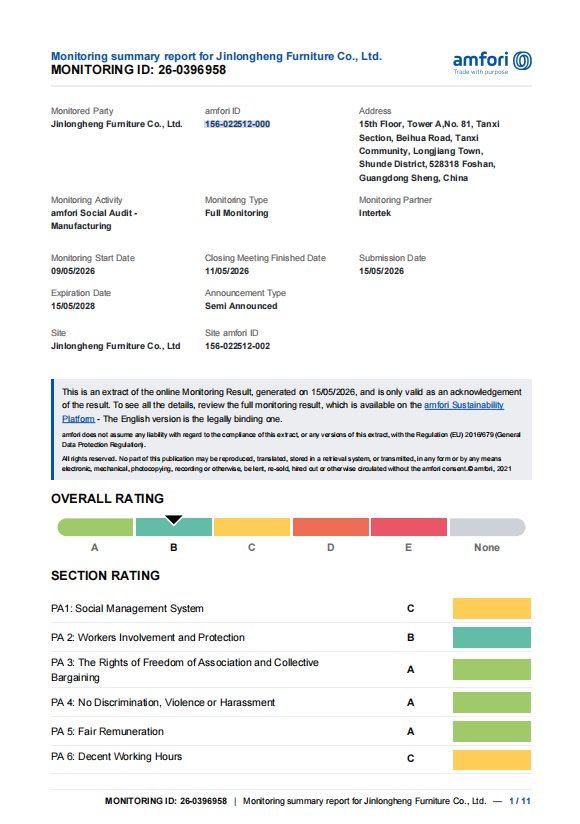
Furthermore, international safety and quality standards serve as verified proof of material reliability. Products tested under global frameworks ensure that upholstered beds, compressed sofas, and mattresses comply with strict environmental and physical parameters. These standards include ISO 9001 quality management, ISO 14001 environmental management, ISO 45001 occupational health, and BSCI social compliance, giving distributors and hotel procurement managers confidence in the longevity of their assets.

Data/Solution Comparison
The following table outlines the comparative performance of typical upholstery materials utilized for commercial bed frames under standard hospitality testing protocols:
| Material Type | Pilling Resistance Rating | Abrasion Resistance | Best Application Scenario | Customization Support |
|---|---|---|---|---|
| Commercial Polyester | High | Excellent | Hospitality & Residential Projects | Sizes, Colors, Weights |
| Poly-blend Fabric | Medium-High | High | Bespoke Luxury Interiors | Texture & Color Options |
| Genuine / Synthetic Leather | Excellent (No Pilling) | High | Premium Hospitality & Executive Suites | Colors & Stitching Patterns |
| Standard Cotton Blend | Low-Medium | Medium | Low-Traffic Residential Bedding | Basic Colors |
Frequently Asked Questions (FAQ)
What factors influence the pilling rate of upholstered bed fabrics?
The primary factors include fiber length, yarn twist, and weave density. Short fibers and loose twists allow friction to pull fibers free, resulting in pilling. Synthetic filaments woven tightly resist this process.
Are OEM/ODM customization options available for commercial upholstered beds?
Yes. Bed frames, including fabric bed, leather bed, and storage bed designs, can be fully customized in size (single, double, queen, king), color, and fabric type to align with B2B project guidelines.
What are the standard delivery timelines and purchase requirements for commercial bed frames?
Standard bulk orders require a minimum order quantity (MOQ) of one container, which can accommodate mixed sizes and models. The delivery timeline typically spans 15 to 35 days upon financial deposit verification.
Final Conclusion & Recommendations
To ensure maximum durability and eliminate pilling issues in commercial environments, developers and hoteliers should specify high-density, tightly woven synthetic fabrics or leather options for all upholstered bed installations. Sourcing from certified manufacturing facilities ensures that both materials and structural assembly meet international commercial standards. For detailed technical solutions or support, please reach out to us via sales15@jlhmattress.cn.
About Us
Jinlongheng Furniture Co., Ltd., established in 1992, operates a massive 630,000 square meter production base in Guangdong, employing more than 800 staff to serve global sleep and bedroom furniture needs. The company specializes in the automated manufacturing of mattresses, upholstered beds, and compressed sofas, reaching an annual mattress capacity of over 1.4 million units. Holding international certifications such as BSCI, ISPA, ISO 9001, and BS7177, we have served clients across multiple industries, including prestigious partners like Hotel Gołębiewski Mikołajki and the Beijing Financial Street Ritz-Carlton Hotel.

Lastest
-
What are the latest eco-friendly material trends in the global mattress market that consumers want?
2026-06-29 -
What are the safest payment terms to negotiate with a new manufacturer of compressed sofas?
2026-06-29 -
How do overseas manufacturers handle replacement parts for damaged headboards or frames of upholstered beds?
2026-06-29 -
What third-party audit reports should I ask for to verify a mattress factory's quality management?
2026-06-29 -
What is the average MOQ for importing compressed sofas, and how much does price drop with larger volume?
2026-06-29
SUBSCRIBE
INQUIRY