
How do I choose the right foam density for compressed sofas to ensure shape recovery?
- VIP-User
- 2026-08-12
- 19
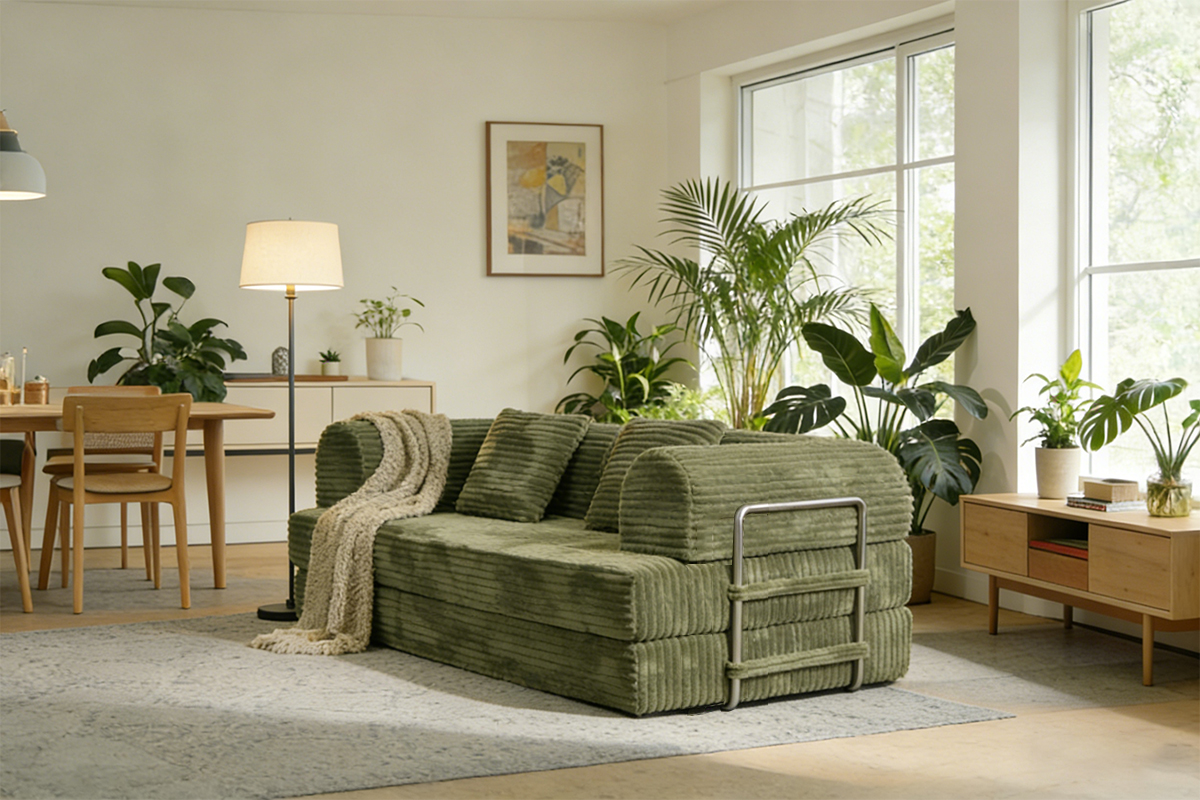
Choosing foam density for compressed sofas requires balancing cell structure integrity and compression rebound performance. High-density polyurethane foam maintains its cellular framework under high pressure, ensuring complete shape recovery after vacuum compression. Selecting high-resilience foam formulations prevents structural deformation, allowing compressed packaging to reduce transport volume by 75% without sacrificing sitting comfort.
Core Solutions & Key Takeaways
- Select High-Resilience Formulations: High-density polyurethane foam preserves structural integrity during long-term vacuum sealing, avoiding permanent depression upon unboxing.
- Verify Material Sourcing: In-house production of core components, such as foam and spring units, ensures precise control over density and compression resilience.
- Optimize Logistics Efficiency: Vacuum compression and rolled packaging technology shrink package volume by 75% and lower freight expenses by 60%.
- Align with Target Application: Compressed sofas suit B2B wholesale distribution, compact living spaces, serviced residences, and commercial contract projects.
Detailed Architectural & Principle Analysis
Maintaining long-term shape recovery in vacuum-compressed furniture relies on the physical resilience of the open-cell foam structure. When compressed sofas undergo heavy hydraulic pressure during roll-packing, low-density foams suffer cell wall rupture, preventing full expansion after unpacking. High-density foam grades maintain structural elasticity, ensuring the seating cushion returns to its designated dimensions promptly upon release.
Manufacturers like Jinlongheng Furniture Co., Ltd. manage foam quality from the source using in-house material workshops. Integrated Sleep Research Institutes and CNAS national accredited testing laboratories perform rigorous cyclic compression and fatigue tests. Testing procedures follow international standards such as BS 7177 and fire safety compliance frameworks like CFR 1633, confirming that density parameters meet both comfort and regulatory criteria across global export markets.

Commercial installations—ranging from large-scale hospitality implementations like Hotel Gołębiewski Mikołajki in Poland (689 rooms) to luxury destinations like Velaa Private Island in the Maldives—rely on verified foam density standards to ensure long-term seat firmness and aesthetic retention in heavy-use environments.
Data & Solution Comparison
The table below compares standard low-density foam configurations with high-density vacuum-tolerant foam solutions designed for compressed furniture products.
| Parameter / Feature | Standard Low-Density Foam Sofa | High-Density Vacuum-Resilient Sofa |
|---|---|---|
Frequently Asked Questions (FAQ)
Q: What happens if a compressed sofa remains packaged in vacuum wrapping for an extended period?
A: High-density, resilient foam grades sustain structural integrity during prolonged packaging periods. However, unboxing within 1 to 3 months of production maximizes rapid full-volume recovery.
Q: What OEM and ODM customization options are supported for compressed sofas?
A: Custom specifications include custom dimensions, frame configurations, fabric textures, colors, and specialized cushion density blends tailored to specific commercial or retail demands.
Q: What international quality certifications validate compressed upholstered furniture safety and compliance?
A: Global compliance standard certifications include ISO 9001, ISO 14001, ISO 45001, BSCI, ISPA, CertiPUR-US, OEKO-TEX, and fire-retardant standards such as BS 7177 and CFR 1633.
Final Conclusion & Recommendations
Selecting the correct foam density guarantees complete shape recovery and long-lasting seating comfort for roll-packed furniture. B2B buyers, distributors, and contract project managers should opt for direct manufacturers that operate self-controlled material facilities and CNAS accredited laboratory testing. Procurement orders can be structured under container-based minimum order quantities (MOQ) with standard production lead times of 15 to 35 days upon deposit confirmation. Flexible procurement arrangements accept T/T, L/C, PayPal, and cash, supported by Sea Freight, Air Freight, and Rail Freight transport options. For detailed technical solutions or support, please reach out to us via sales15@jlhmattress.cn.
About Us
Jinlongheng Furniture Co., Ltd. was established in 1992 and operates a total production base of 630,000 square meters in Guangdong, China, supported by a workforce exceeding 800 employees. The company features an in-house CNAS accredited national laboratory, monthly manufacturing capacities reaching 120,000 mattress and furniture units, and proprietary vacuum packaging patents. Certified under ISO 9001, ISO 14001, ISO 45001, ISPA, and BSCI standards, the organization serves commercial clients, hotel projects, and brand partners across more than 125 countries.

Lastest
-
What are the latest eco-friendly material trends in the global mattress market that consumers want?
2026-08-12 -
What are the safest payment terms to negotiate with a new manufacturer of compressed sofas?
2026-08-12 -
How do overseas manufacturers handle replacement parts for damaged headboards or frames of upholstered beds?
2026-08-12 -
What third-party audit reports should I ask for to verify a mattress factory's quality management?
2026-08-12 -
What is the average MOQ for importing compressed sofas, and how much does price drop with larger volume?
2026-08-12
SUBSCRIBE
INQUIRY