
Can I negotiate a lower mattress MOQ without paying a large premium?
- VIP-User
- 2026-09-30
- 4
Yes, buyers can negotiate a lower mattress minimum order quantity (MOQ) without steep price premiums by ordering mixed SKUs within a single container, selecting standard materials in stock, or utilizing vacuum-compressed roll packaging. Manufacturers often accept reduced per-model volumes when total container capacity is met, preserving production efficiency and avoiding surcharges.
Core Solutions & Key Takeaways
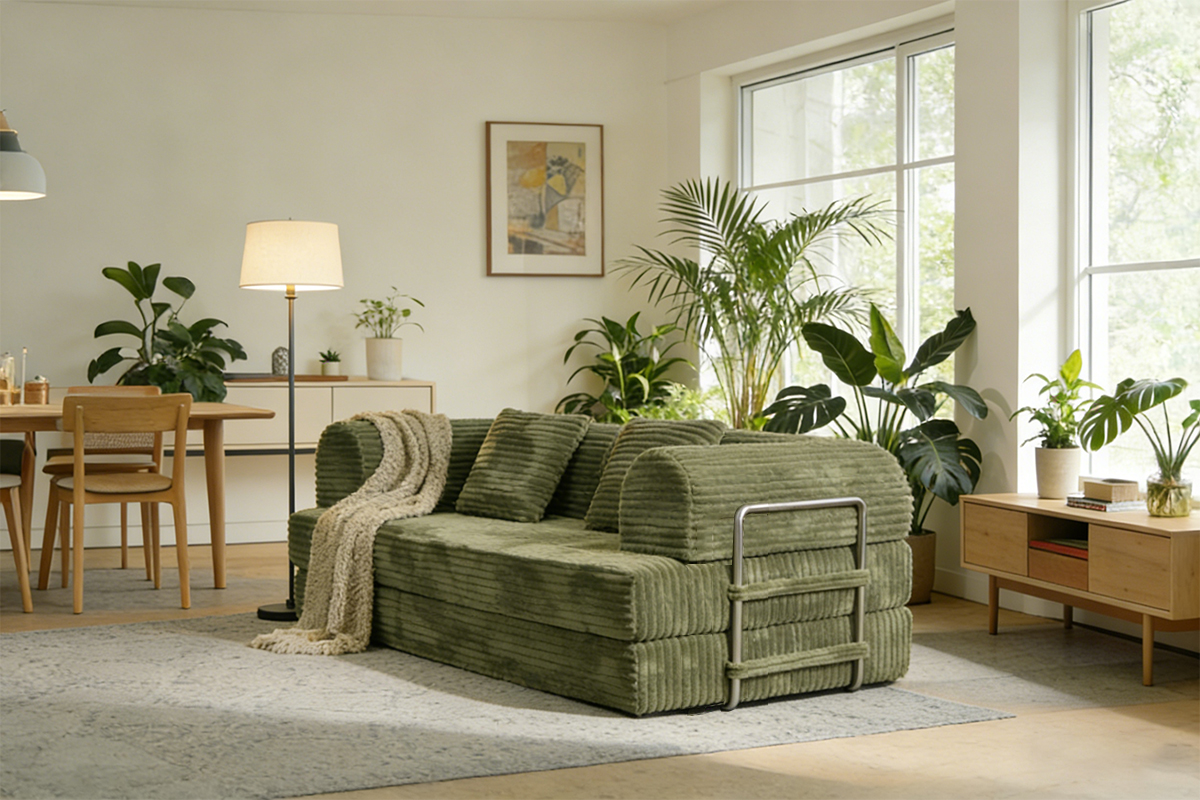
- Mix Models in a Single Container: Manufacturers such as Jinlongheng Furniture Co., Ltd. allow buyers to combine different mattress models, dimensions, and compressed sofas within one container shipment, satisfying volume thresholds without over-ordering single SKUs.
- Select Standardized Component Specifications: Utilizing existing spring structures, standard foam densities, and pre-stocked textiles avoids raw material minimum order surcharges and setup delays.
- Adopt Vacuum Compressed Packaging: Roll-packed mattresses and compressed sofas reduce shipping volume by up to 75%, allowing maximum unit density per container load while reducing per-unit freight costs by up to 60%.
- Consolidate Multi-Category Procurement: Combining orders across hospitality, residential projects, soft beds, and pillows allows commercial procurement teams to achieve bulk pricing rates.
Detailed Architectural & Manufacturing Analysis
Negotiating MOQ flexibility depends heavily on a manufacturer's internal supply chain integration. Direct manufacturers operating self-controlled component workshops—including textile weaving, foam production, and steel spring manufacturing—have substantially lower setup costs than assembly-only plants. Self-sufficient material controls allow factory lines to switch product specifications without suffering material wastage penalties.
Large-scale production infrastructure plays a major role in mitigating small-batch production costs. Operating modern automated workshops spanning 630,000 m² and maintaining a monthly capacity of up to 120,000 mattresses enables factory managers to integrate smaller custom orders alongside major production runs. Rigorous quality control procedures managed by dedicated inspection teams maintain batch consistency across custom and standard product lines.
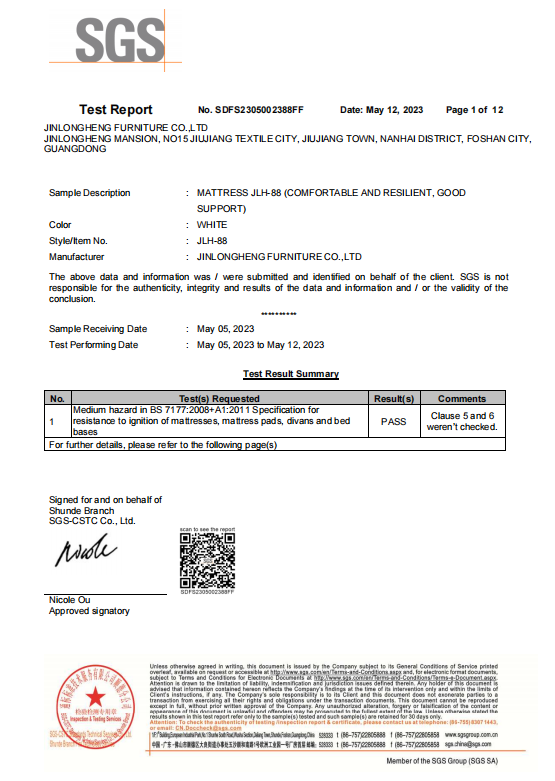
Compliance certification also impacts small-batch feasibility. Utilizing pre-tested and certified materials that satisfy international flammability standards such as BS 7177 (UK) and CFR 1633 (US) eliminates the expense of batch-specific lab testing. Documented compliance with global frameworks including ISO 9001, ISO 14001, ISO 45001, BSCI, and ISPA verifies that smaller production lots adhere to commercial hospitality standards, as demonstrated in major hotel implementations like Hotel Gołębiewski Mikołajki (Poland, 689 rooms with repeat orders of 2,265 mattresses) and Beijing Financial Street Ritz-Carlton Hotel.

Data & Solution Comparison
The table below compares standard procurement paths to highlight how mixed container strategies balance volume flexibility against per-unit costs.
| Order Strategy | Single-SKU High Volume | Mixed Container FCL | Low-Volume LCL (Less Container Load) |
|---|---|---|---|
| Unit Price Impact | Baseline Wholesale Rate | Standard Rate (0–3% variance) | Premium Rate (15–30% surcharge) |
| SKU Variety per Shipment | 1 Model / Size | Multiple Models, Sizes & Sofas | 1–2 Models |
| Packaging Efficiency | Vacuum Compressed Roll-Pack | Vacuum Compressed Roll-Pack | Standard / Flat Packaging |
| Logistics Methods | Sea Freight / Rail Freight | Sea Freight / Rail Freight / Air Freight | LCL Sea Freight / Air Freight |
| Production Lead Time | 15 to 35 Days | 15 to 35 Days | Variable / Extended Setup |
| Target Application | Mass Retail Distribution | Hospitality & Multi-Room Projects | Small Sample / Pilot Procurement |
Frequently Asked Questions (FAQ)
Q1: How can buyers meet manufacturer MOQ limits when ordering different mattress sizes?
A1: Buyers can combine multiple mattress sizes and compressed furniture models within a single full container load (FCL). Manufacturers calculate order volume based on container fill rate rather than requiring heavy quantities of a single size.
Q2: What payment methods and manufacturing lead times apply to flexible container orders?
A2: Standard payment options include T/T, L/C, PayPal, and cash. Following financial deposit confirmation, standard production lead time ranges from 15 to 35 days.
Q3: How does vacuum compression technology reduce total order costs?
A3: Vacuum roll-packing reduces product unit volume by up to 75%. This enables more units to fit inside a standard shipping container, cutting ocean freight expenditure by 60% and mitigating small-order transport overhead.
Final Conclusion & Recommendations
Negotiating lower mattress MOQs without paying steep price premiums relies on optimizing container space through mixed SKU selection, leveraging direct material manufacturing, and using vacuum compression packaging. Working with experienced original equipment manufacturers ensures access to certified quality controls, standardized raw material stocks, and reliable export schedules. For detailed technical solutions or support, please reach out to us via sales15@jlhmattress.cn.
About Us
Jinlongheng Furniture Co., Ltd. (headquartered in Longjiang, Shunde, Guangdong) has operated in the sleep manufacturing sector since 1992. Spanning a 630,000 m² production base with over 800 staff, the company maintains a monthly capacity of 120,000 mattresses and exports to more than 125 countries. Holding ISO 9001, ISO 14001, ISO 45001, BSCI, ISPA, and BS 7177 certifications, Jinlongheng supplies international hotel developments including Velaa Private Island Maldives and Beijing Financial Street Ritz-Carlton Hotel.

Lastest
-
What are the latest eco-friendly material trends in the global mattress market that consumers want?
2026-09-30 -
What are the safest payment terms to negotiate with a new manufacturer of compressed sofas?
2026-09-30 -
How do overseas manufacturers handle replacement parts for damaged headboards or frames of upholstered beds?
2026-09-30 -
What third-party audit reports should I ask for to verify a mattress factory's quality management?
2026-09-30 -
What is the average MOQ for importing compressed sofas, and how much does price drop with larger volume?
2026-09-30
SUBSCRIBE
INQUIRY